
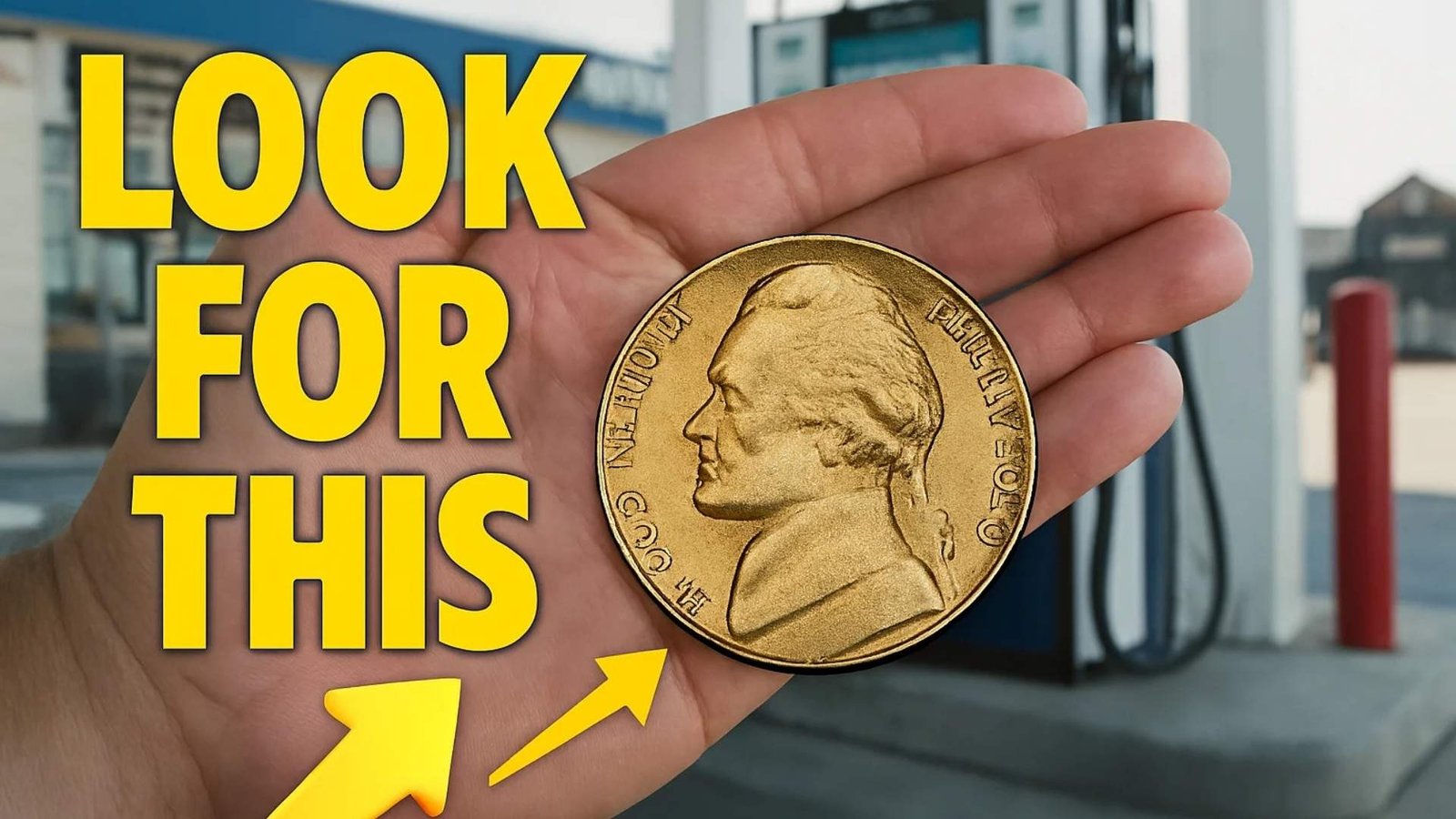
It was just another evening at a quiet roadside gas station — until a customer handed over a coin that looked… different. The cashier didn’t know it then, but this small piece of change — a rare Jefferson Nickel — would spark a story that numismatics circles still talk about today.
What Exactly Was Found?
The Jefferson Nickel, first minted in 1938, is one of the most common U.S. coins. But in this case, the coin in question was far from ordinary. This was a wartime-era variety, bearing a subtle minting error that turned it from spare change into a collectible worth hundreds — even thousands — of dollars.
A Quick History of the Jefferson Nickel
Introduced to replace the Buffalo Nickel, the Jefferson Nickel featured President Thomas Jefferson on the obverse and his Monticello home on the reverse. During WWII, from 1942 to 1945, nickels were made with a unique 35% silver composition to conserve nickel for the war effort. These “war nickels” often carry a large mint mark above Monticello, a key detail collectors hunt for today.
| Year | Metal Composition | Special Identifier |
|---|---|---|
| 1938–1942 (pre-war) | 75% copper, 25% nickel | No large mint mark |
| 1942–1945 (war nickel) | 56% copper, 35% silver, 9% manganese | Large mint mark above Monticello |
| 1946–present | 75% copper, 25% nickel | Standard mint marks |
Why This Coin Was Different
The gas station find was a 1943-P Jefferson Nickel — a war nickel with a rare double-die reverse error. Most pass unnoticed in daily transactions, but collectors value such errors highly because of their scarcity and historical link to wartime America.
Why It’s Valuable Today
The coin’s worth lies in its rarity, historical importance, and condition. Collectors love Jefferson Nickels because they’re affordable to start collecting yet hold the potential for big finds. In mint state, rare varieties can fetch $500–$3,000 at auction.
| Condition | Average Value | Rare Error Value |
|---|---|---|
| Circulated | $2–$10 | $50–$200 |
| Uncirculated (MS65+) | $50–$200 | $500–$3,000+ |
How to Spot a Rare Jefferson Nickel
Look for these signs before tossing your change into a jar:
- Large mint mark above Monticello (wartime issue)
- Double-die lettering or numbers
- Full Steps detail on Monticello stairs
- Off-center strikes or planchet errors
Notable Facts About Jefferson Nickels
- First coin to feature a former president other than Lincoln still in production today
- War nickels are the only nickels in U.S. history with significant silver content
- Some 1939 varieties with “reverse of 1940” design can be worth hundreds in high grade
Expert Tips for Collectors
Coin experts recommend always checking pocket change, especially coins from older rolls or inherited collections. Keep a 10x magnifying glass handy to spot errors. If you suspect you’ve found something special, have it graded by a reputable service like PCGS or NGC.
FAQs
Q: How much is a 1943-P Jefferson Nickel worth? Anywhere from $2 to over $3,000, depending on condition and rarity of errors.
Q: Are war nickels made of pure silver? No — they contain 35% silver.
Q: Where can I sell a rare Jefferson Nickel? Auction houses, coin shows, or reputable online dealers.
Conclusion

The Jefferson Nickel discovered at that gas station wasn’t just change — it was a piece of American history. From its wartime origins to its rare minting error, it proved that valuable treasures can still be hiding in plain sight. The next time you get coins back, take a closer look — you might be holding history in your hand.