
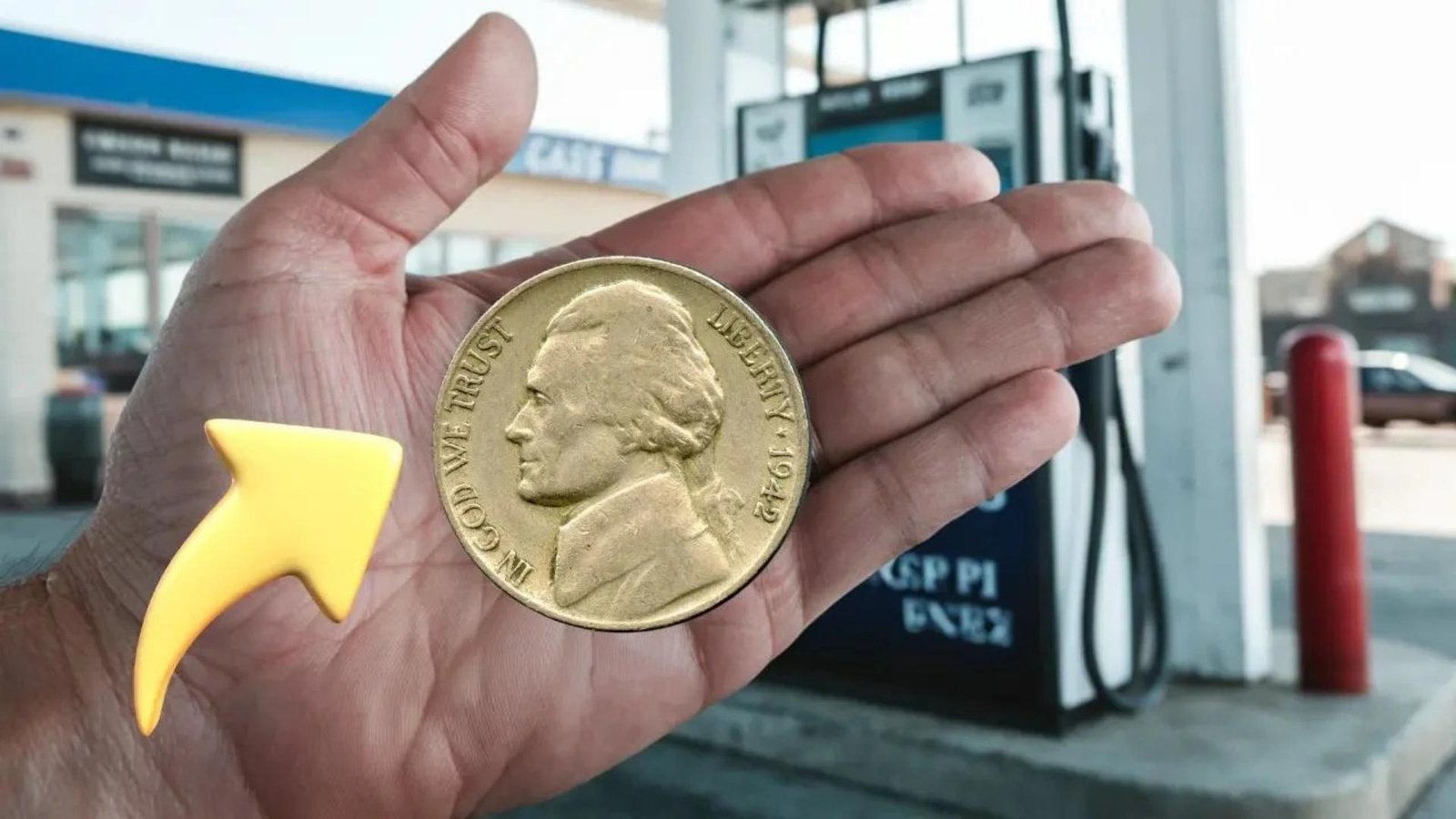
It was just another routine stop at a dusty roadside gas station, but what I found in my change that day turned an ordinary moment into a life-changing discovery. One small Jefferson Nickel would unlock a hidden story of history, rarity, and unexpected value.
What Is the Unique Jefferson Nickel?
The Jefferson Nickel has been in circulation since 1938, featuring President Thomas Jefferson on the obverse. While most are worth face value, a select few contain minting errors, rare compositions, or historical quirks that make them worth hundreds — even thousands — to collectors. My gas station nickel wasn’t just pocket change; it was a potential treasure.
The History Behind the Jefferson Nickel

During World War II, the U.S. Mint temporarily changed the nickel’s metal composition to save nickel for military production. These wartime nickels (1942–1945) contained 35% silver, making them more valuable today. Some Jefferson Nickels also feature rare die errors or doubled images, which drastically increase their worth.
Why This Nickel Was So Valuable
My find turned out to be a 1942-P Silver Wartime Jefferson Nickel with an unusual die crack error. Collectors seek such coins for their combination of historical significance and rarity. Depending on condition, a wartime nickel can be worth anywhere from $10 to over $1,000.
Value Comparison of Jefferson Nickels
| Year/Type | Composition | Average Value | Rare Error Value |
|---|---|---|---|
| Regular Nickel (Modern) | 75% copper, 25% nickel | $0.05 | $1–$10 |
| 1942–1945 Wartime Nickel | 35% silver, 65% copper | $1–$3 | $50–$1,000+ |
| Rare Error Nickel | Varies | $10–$100 | $500–$5,000+ |
How to Spot a Valuable Jefferson Nickel
- Check the date — Wartime nickels were minted between 1942–1945.
- Look for the mint mark — Wartime nickels have a large “P,” “D,” or “S” above Monticello.
- Examine for errors — Doubling, cracks, or misstrikes can be valuable.
- Test weight — Silver nickels weigh slightly less than modern ones.
Quick Guide: Regular vs Wartime Jefferson Nickel
| Feature | Regular Nickel | Wartime Nickel |
|---|---|---|
| Composition | 75% copper, 25% nickel | 35% silver, 65% copper |
| Mint Mark Placement | Beside Monticello | Above Monticello |
| Value Range | $0.05–$10 | $1–$1,000+ |
Notable Finds and Records
In 2013, a collector paid $14,375 for a rare 1942-P Jefferson Nickel graded MS68. Many valuable coins are still in circulation, often overlooked by those who don’t know what to look for.
Expert Tips for Collectors
- Always carry a magnifying glass when checking change.
- Learn to identify rare minting errors.
- Keep coins in protective holders to maintain condition.
- Follow coin auction trends for pricing updates.
Frequently Asked Questions
Q: Are all 1942 nickels valuable?
A: Only those containing silver or unique errors have significant value.
Q: Can I find valuable nickels in circulation today?
A: Yes — many rare coins still slip through unnoticed.
Q: Where can I sell a rare Jefferson Nickel?
A: Try coin dealers, auctions, or reputable online marketplaces.
Conclusion

That gas station nickel reminded me that history can hide in the smallest places — even in your pocket change. Whether it’s a wartime silver composition or a rare minting error, Jefferson Nickels prove that treasures still circulate unnoticed. Next time you get change, take a second look — you never know what life-changing discovery might be in your hand.
1 thought on “How a Wartime Jefferson Nickel Turned Into a Life-Changing Find”